Eco-Friendly Approaches: How E-Waste Recycling Services Are Preserving Our Planet
E-waste represents a considerable hazard to the environment, as abandoned electronic devices commonly carry harmful materials. Such dangerous compounds can pollute soil and water supplies, resulting in widespread environmental harm. E-waste recycling initiatives provide a practical answer. They not only recover valuable resources but also mitigate pollution. Comprehending the operation of these services and their influence on communities is of great importance. The journey towards effective e-waste management raises critical questions about individual responsibility and collective action. What steps can be taken next?
The Reasons E-Waste Is Damaging to the Planet
Even though technology enhances our daily lives, electronic waste presents considerable environmental hazards. Discarded electronic devices, commonly laden with toxic substances including lead, mercury, and cadmium, can leach toxins into the surrounding soil and water supply, posing risks to human health and ecosystems. The accelerating rate of technological innovation leads to increased consumer turnover of electronics, exacerbating the accumulation of discarded electronic materials.
Landfills, already burdened with waste, struggle to accommodate the growing volumes of discarded gadgets. Incineration, another disposal method, releases harmful pollutants into the atmosphere, contributing to air quality degradation. In addition, improper recycling practices can lead to the exportation of e-waste to developing countries, where laborers may dismantle devices without adequate safety measures, exposing themselves to dangerous substances. This ongoing cycle of carelessness and inadequate management emphasizes the pressing necessity for responsible recycling initiatives that can lessen the harmful consequences of e-waste on our world.
Understanding E-Waste and Its Significance
Electronic waste, commonly known as e-waste, includes discarded electronic devices like televisions, computers, and smartphones that have reached the end of their useful life. This rapidly expanding waste category is noteworthy owing to its accelerating volume, driven by technological advancements and consumer trends. With an increasing number of devices reaching obsolescence, the ecological consequences become more pronounced, with toxic materials such as lead, mercury, and cadmium threatening both ecosystems and public health.
The importance of addressing e-waste lies not only in mitigating these hazards but also in recognizing the valuable materials it contains. Valuable metals and rare earth materials can be extracted and repurposed, lessening the demand for mining and preserving natural resources. Through a deeper awareness of e-waste and its consequences, both individuals and organizations can make well-informed choices regarding disposal and recycling, thereby supporting a more sustainable future. Responsible management of e-waste plays a key role in supporting a circular economy and championing environmental stewardship.
The Way E-Waste Recycling Functions
E-waste recycling entails an organized procedure designed to recover valuable materials while reducing harm to the environment. To begin, discarded electronics are retrieved and sent to purpose-built recycling plants. After reaching the facility, the equipment is meticulously organized to distinguish harmful elements from reusable resources.
Subsequently, workers take apart the items, removing metals, plastics, and glass. This step is critical, as it allows for the reclamation of valuable metals like gold, silver, and copper, which are repurposed in new electronic products.
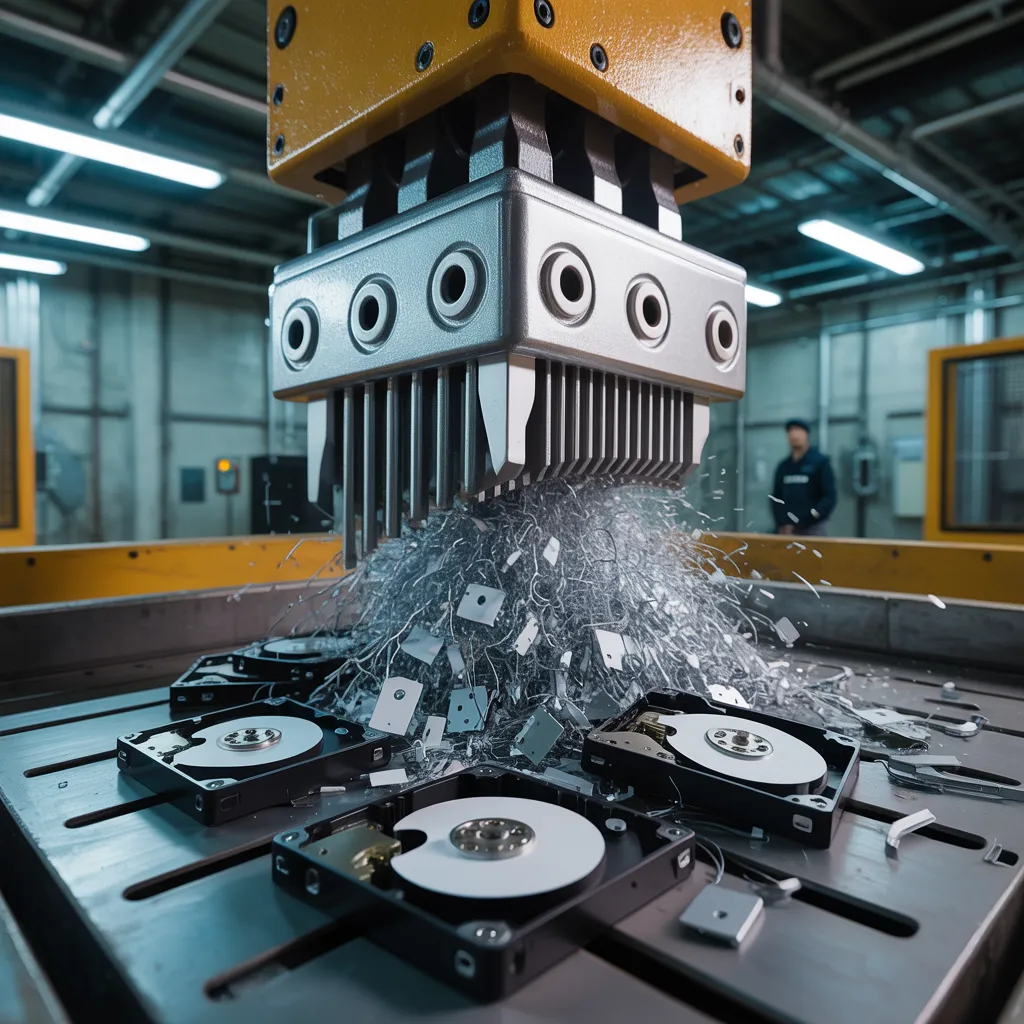
Next, the isolated materials are refined via sophisticated techniques, such as shredding and chemical treatments, to purify them for reuse.
Ultimately, the residual hazardous materials are disposed of responsibly, following environmental regulations. This systematic method not only preserves valuable resources but also reduces the dangers associated with irresponsible electronic waste disposal, ensuring a more sustainable future for electronic consumption.
The Benefits of E-Waste Recycling for You and Your Community
Although it often goes unnoticed, the positive effects of e-waste recycling reach well past personal use to meaningfully influence entire communities. By properly recycling electronic waste, individuals play a role in creating a cleaner environment, minimizing toxic components that can leach into soil and water. This proactive approach actively safeguards local ecosystems and promotes public health.
Furthermore, e-waste recycling fosters the creation of jobs in communities. Community recycling operations commonly require workers for various operations, including collection and processing, thereby providing employment opportunities within the community. This not only enhances the community economy but also fosters community involvement in eco-friendly practices.
In addition, knowledge about e-waste recycling is capable of inspiring educational initiatives, empowering residents to embrace sustainable practices. By taking part in e-waste recycling programs, individuals foster a culture of sustainability, motivating others to follow suit. In summary, the combined impact of these actions can result in a more sustainable and conscientious community.
How to Choose an E-Waste Recycling Service
Choosing the best e-waste disposal service is crucial for guaranteeing that electronic waste is processed in a responsible and sustainable manner. First, consumers should verify the provider's accreditations, such as R2 or e-Stewards, which indicate adherence to professional guidelines for secure waste disposal procedures. Additionally, it is advisable to evaluate the company's standing by reading customer reviews and seeking referrals from reliable sources.
Furthermore, openness in the recycling process is crucial. A dependable company should supply straightforward details about the manner in which e-waste is managed and what happens to the materials. Furthermore, considering the scope of services provided can prove valuable; some companies may provide pickup services or offer incentives for recycling.
Furthermore, understanding local guidelines related to e-waste disposal can further guide the evaluation process. When these considerations are given priority, people are able to support successful electronic waste reduction while also advancing green and responsible behaviors.
How You Can Get Involved in E-Waste Recycling?
Getting involved with e-waste recycling can start at the local level, where recycling centers frequently offer essential services for proper disposal. Additionally, taking part in community awareness campaigns can enhance efforts to inform others regarding the importance of responsible e-waste management. These actions not only promote sustainability but also build a collective sense of accountability for the environment.
Area Recycling Stations
A wide range of community recycling facilities fulfill a critical purpose in the recycling of e-waste, supplying communities with reliable ways to discard electronic waste in an eco-friendly way. These hubs welcome a selection of electronic items, including old computers, smartphones, and televisions, verifying that toxic materials are disposed of safely. Most stations have knowledgeable personnel who are able to assist individuals with correct disposal techniques, stressing the significance of recycling instead of landfilling. Furthermore, numerous facilities provide drop-off events or designated collection days, allowing residents to take part with ease. Through the use of these community services, residents support a circular economy, minimizing ecological impact and fostering sustainable behaviors. Connecting with these stations encourages communities to fight e-waste pollution decisively.
Community Outreach Campaigns
Local organizations, schools, and businesses can collaborate to host events that promote e-waste collection drives. Dedicated participants can take a leading part in promoting knowledge, handing out educational content, and interacting with the surrounding community. As a result of these combined actions, community members grow more knowledgeable and inspired to dispose of their electronics responsibly, ultimately contributing to a more sustainable future.
Common Questions and Answers
What Types of Electronics Can Be Recycled?
Many different electronics may be recycled, including smartphones, computers, laptops, televisions, printers, and gaming consoles. Additionally, accessories such as batteries, keyboards, Read this and mice are equally appropriate for recycling, contributing to sustainable environmental practices.
Is There a Cost Associated With E-Waste Recycling?
That's correct, electronic waste recycling sometimes comes with costs, subject to the facility. Certain providers apply costs for gathering or treatment, while some providers offer free services, often subsidized by the proceeds from salvaged materials.
How Do Businesses Gain From E-Waste Recycling?
Businesses can benefit from e-waste recycling by reducing disposal costs, enhancing their environmental image, adhering to regulatory requirements, reclaiming useful materials, and creating potential earnings via resale, thus supporting a greener and more sustainable operational framework.
What Happens to Data on Recycled Devices?
Information from recycled devices is frequently irretrievably wiped or destroyed during the refurbishment process. This confirms sensitive information remains secure, blocking unwanted intrusion while permitting materials to be recycled securely and sustainably within new applications.
Are Broken Electronics Eligible for Recycling?
Yes, non-functioning electronics can be recycled. Many facilities process non-functioning devices, ensuring safe disposal and extraction of recoverable materials. Doing so helps minimize harm to the environment while promoting responsible recycling practices to address electrical waste efficiently.